
Hermetic Feedthrough: Integration Tips for Aerospace and Defense
Introduction
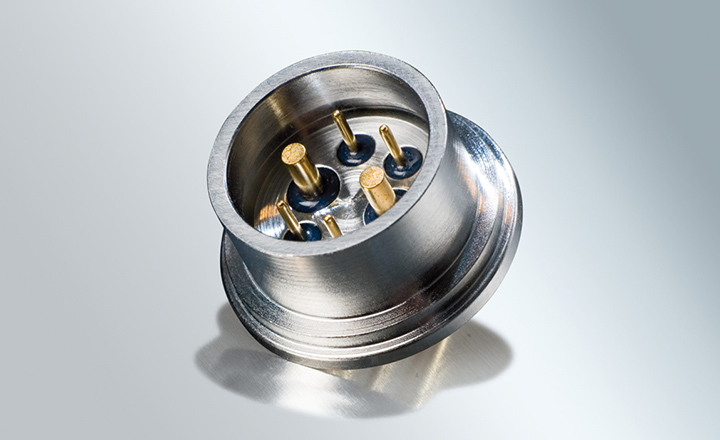
In aerospace and defense systems, reliability and performance are non-negotiable. Hermetic feedthroughs play a critical role in maintaining airtight seals while transmitting power, signals, or data through high-performance equipment. Proper integration ensures system integrity, signal reliability, and long-term durability, making it a key factor in mission-critical applications.
Understand System Requirements
Before integrating a hermetic feedthrough, it’s essential to assess system-specific requirements:
- Operating environment: high altitude, extreme temperatures, vibration, or shock
- Electrical needs: voltage, current, signal type (RF, digital, analog)
- Mechanical constraints: space, mounting orientation, and enclosure design
Knowing these requirements upfront ensures that the selected feedthrough matches both environmental and electrical demands of the system.
Choose the Right Material
Material selection is critical in aerospace and defense applications. Common options include:
- Ceramic: Excellent for high temperature and insulation
- Glass-to-metal seals: Reliable for vacuum and high-pressure conditions
- High-strength alloys: Resist vibration and mechanical stress
Selecting appropriate materials guarantees long-term durability and performance in extreme conditions.
Plan for Electrical Isolation and Signal Integrity
Hermetic feedthroughs must maintain electrical isolation and signal integrity even under challenging environments. Tips for integration include:
- Use proper spacing and pin configuration to minimize interference
- Match feedthrough impedance to prevent signal distortion
- Verify insulation resistance for high-voltage applications
Maintaining these factors ensures consistent system operation and prevents electrical failures.
Account for Thermal and Mechanical Stresses
Aerospace and defense equipment experience significant thermal cycling and mechanical vibration. Integration tips include:
- Position feedthroughs to minimize exposure to direct heat sources
- Use flexible connectors or strain reliefs to absorb mechanical stress
- Ensure the feedthrough can tolerate repeated thermal expansion without losing hermeticity
Proper stress management prolongs feedthrough life and prevents system failures.
Testing and Verification
Integration isn’t complete without rigorous testing. Recommended steps include:
- Leak testing under vacuum or pressure conditions
- Electrical continuity and insulation testing
- Vibration, shock, and thermal cycling simulations
Testing ensures that hermetic feedthroughs perform reliably in aerospace and defense applications where failure is not an option.
Collaboration with Manufacturers
Aerospace and defense projects often require customized feedthroughs. Working closely with manufacturers helps:
- Design feedthroughs to meet specific system requirements
- Optimize materials and pin configurations for extreme conditions
- Access technical support for integration and testing
Collaboration ensures the feedthrough fits seamlessly into the system while maintaining performance standards.
Final Thoughts
Hermetic feedthroughs are vital for aerospace and defense systems, providing airtight sealing, electrical isolation, and signal reliability. Successful integration requires careful planning of materials, electrical design, thermal and mechanical stress management, testing, and collaboration with manufacturers. Following these tips ensures that feedthroughs enhance system performance, durability, and mission success.
Fiverr
